On the agenda
Geopolitics & new risks · Energy security & transition · Market outlook across all segments · Owners vs. capital providers · Talent, AI & cybersecurity
Programme
08:15
Registration and networking
break
ship-finance
09:00
Opening and welcome
session
Bold visions from industry pioneers and government visionaries. Welcome by the organisers and moderators; keynote and guest speakers.
Ioannis (Jannis) Kostoulas, Michael de Visser, Annet Koster, Pieter Baan
ship-finance
09:30
The global game shift — risks and rewards
session
How shifting geopolitical blocs are reshaping trade, shipping, maritime insurance, ship finance and regulation.
• Can European shipowners remain globally competitive while carrying a regulatory burden that their Asian, Gulf and US competitors simply do not face?
• Is the era of rules-based global maritime trade over, and if so, what replaces it for European operators?
• Can insurers actually provide coverage for war or sanctions, and are some trade routes too risky to insure?
Rico Luman, Luisa Puccio, Dagfinn Lunde, Mare Straetmans, Annet Koster, Michael de Visser, Philip Ponsford, Andreas Bodmann
ship-finance
10:20
Is the maritime energy transition under siege?
session
Between ambition and reality — energy, fuels, shipbuilding, circularity and ship recycling. The IMO's net-zero framework stalled, green fuel costs remain multiples higher than conventional fuel, and geopolitics is rewriting the fuel map faster than any climate policy can keep up.
• Has energy security quietly overtaken energy transition as the real priority, and is anyone willing to admit that openly?
• Is FuelEU Maritime accelerating decarbonisation — or accelerating the flight of tonnage out of European trades?
• Is nuclear propulsion the solution everyone's too scared to say out loud?
Jan Jaap Nieuwenhuis
Gilbèrt de Bock, Caspar van Overklift, Ann-Christin Stucke, Hilmar Backer, Nienke Blans, Heleen Quint, Eleni Poupaki, Antonios Faraklas
ship-finance
11:10
Networking break
break
ship-finance
11:40
Smart investment moves — where should the money go?
session
Shipping market outlook across all segments: containers, dry bulk, tankers, LNG/LPG and short sea.
• Which segment is most overvalued right now?
• Would you rather own a 10-year-old ship today or a newbuild delivering in 2028?
• Is the "dark fleet" the biggest hidden risk to tanker asset values, and is anyone actually pricing it in?
Gijsbert de Jong
Rod Schlick, Peter Molloy, Geert Dokter, Francesco Morici, Heleen Quint, Connie Roozen, Robert Wester, Maarten Sickler
ship-finance
12:30
Networking lunch
break
ship-finance
13:30
The gamble for tomorrow — investing in people
session
Who will actually run the ships of tomorrow? Creating the future talent in shipping, trade and logistics.
• Is the maritime workforce crisis a recruitment problem, a retention problem, or a failure to make seafaring a credible 21st-century career?
• As automation cuts crew sizes, are we solving the talent shortage, or destroying the pipeline of experience that keeps ships safe?
• Your best graduate has offers from Google, Goldman Sachs and a bulk carrier. Convince them in one sentence — not "purpose", not "adventure", an actual reason.
Phrixos Papachristidis
Francesco Morici, Robert Wester, Geert Dokter, Erhan Esinduy, Sinem Sen, Maurice Jansen, Antonios Faraklas
ship-finance
14:20
The rise of next-gen tech
session
Cybersecurity, AI, automation and digitalisation — innovations and start-ups.
• When AI causes a collision, who stands in court: the captain, the CEO, or the software engineer?
• Will financiers start pricing cyber resilience like credit risk?
• As AI makes maritime expertise more accessible, can a three-ship owner compete on operational intelligence with the largest fleets?
Panagiotis Anastasiou
Albert Veenstra, Martijn Snijder, Lodewijk Wisse, Pieter Baan, Philip Ponsford
ship-finance
15:10
Networking break
break
ship-finance
15:40
Money talks — what shipowners want, what capital providers expect
session
Aligning owners and capital providers: ship finance, funds, subsidies and regulation. Where will the smart money come from?
• Does Europe still control its own fleet financing, or has that moved East?
• Dual-fuel newbuilds: financed on forecasts, or on hope?
• If you had one billion euros to deploy in maritime today, where would it go — and what does that reveal about the real gaps?
Michiel Steeman
Iraklis Tsirigotis, Pieter van der Burg, Sona Krijger-Dolbakyan, Marina Tzoutzouraki, Fabrizio Vettosi, Michael de Visser, Jan-Willem Schellingerhout, Angelos Roupas Pantaleon
ship-finance
16:30
Bold moves & hard truths — recommendations for the future
session
Concluding general discussion between all speakers, panellists, participants and organisers.
ship-finance
17:00
Networking & drinks
social
ship-finance
No items found.
Speakers & panel
Panelist
Angelos Roupas Pantaleon
Greek Representative
European Mar LDA
Second Wind & Partners
Founder
View profile →
angelos-roupas-pantaleon
ship-finance
Panelist
Jan-Willem Schellingerhout
Head of Dutch Shipping
Hamburg Commercial Bank
View profile →
jan-willem-schellingerhout
ship-finance
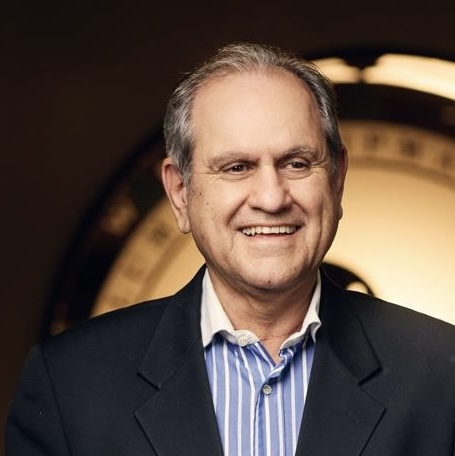
Panelist
Antonios Faraklas
Managing Director
Chartworld Shipping Corporation
View profile →
antonios-faraklas
ship-finance
Panelist
Maurice Jansen
Senior researcher and business developer, Erasmus UPT, Erasmus University Rotterdam
Erasmus University Rotterdam
View profile →
maurice-jansen
ship-finance

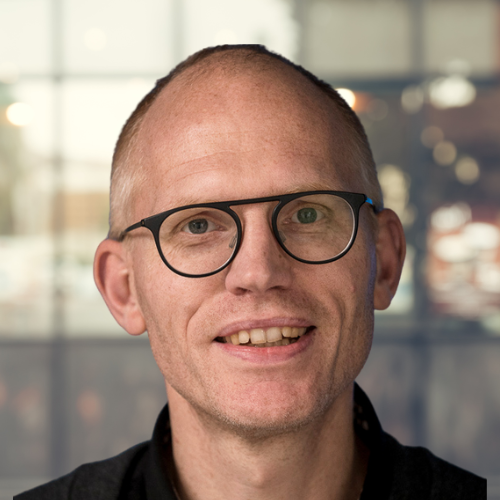
Panelist
Martijn Hoogeland
Senior Consultant, Naval Architect
TNO
View profile →
martijn-hoogeland
ship-finance
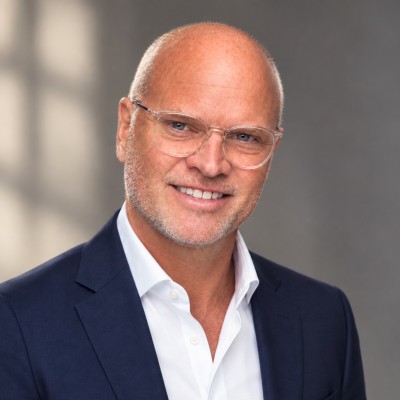
Panelist
Andreas Bodmann
Global Director Marketing, Communications & Commercial Product Management
Bureau Veritas
View profile →
andreas-bodmann
ship-finance
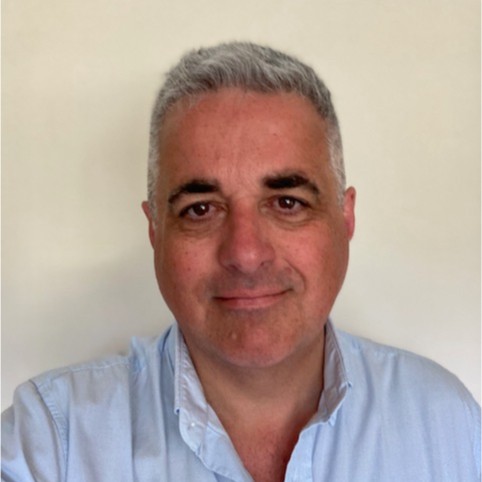
Panelist
Philip Ponsford
Managing Director
Astaara Risk Management
View profile →
philip-ponsford
ship-finance
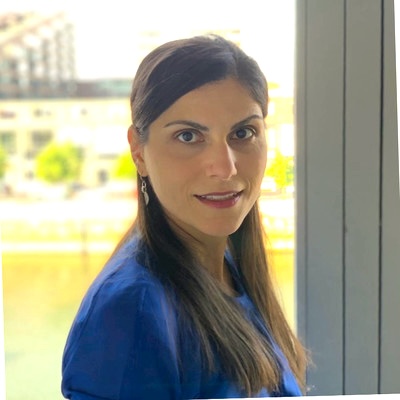
Panelist
Eleni Poupaki
Senior Policy Adviser
Ministry of Infrastructure and Water Management
View profile →
eleni-poupaki
ship-finance

Panelist
Ann-Christin Stucke
Sustainability expert
ABN AMRO Bank
View profile →
ann-christin-stucke
ship-finance
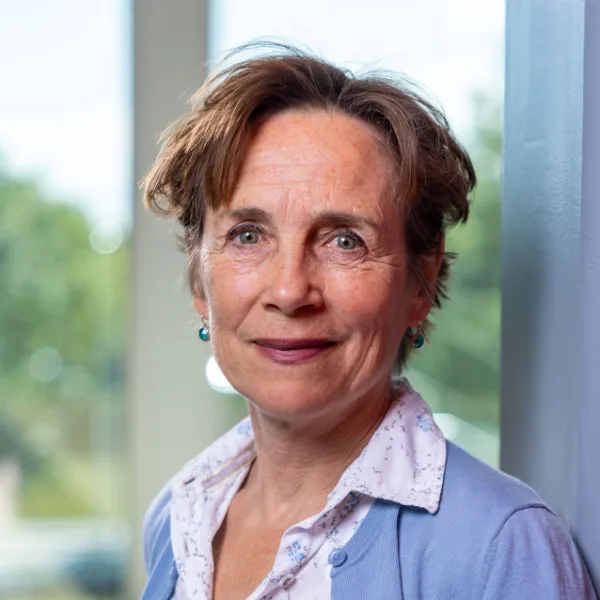
Panelist
Heleen Quint
Senior Export Credit Specialist
Atradius Dutch State Business NV
View profile →
heleen-quint
ship-finance
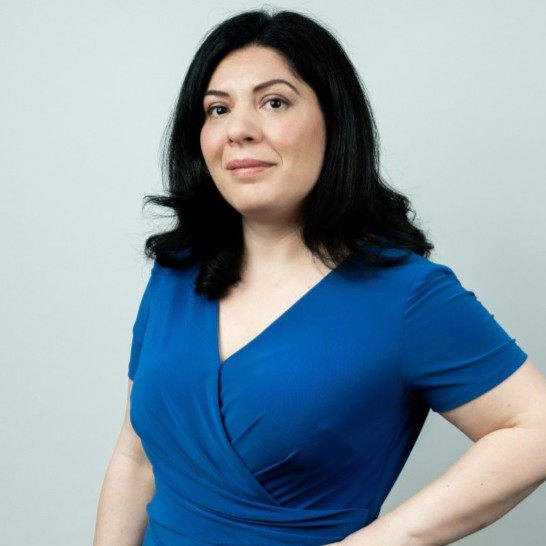
Panelist
Sona Krijger-Dolbakyan
Senior Investment Manager
Invest International
View profile →
sona-krijger-dolbakyan
ship-finance

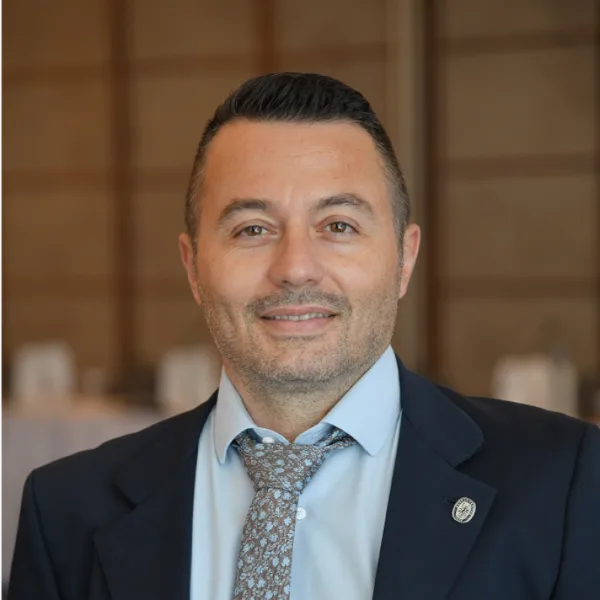
Moderator
Panagiotis Anastasiou
Cybersecurity Strategy Leader
Bureau Veritas
View profile →
panagiotis-anastasiou
ship-finance
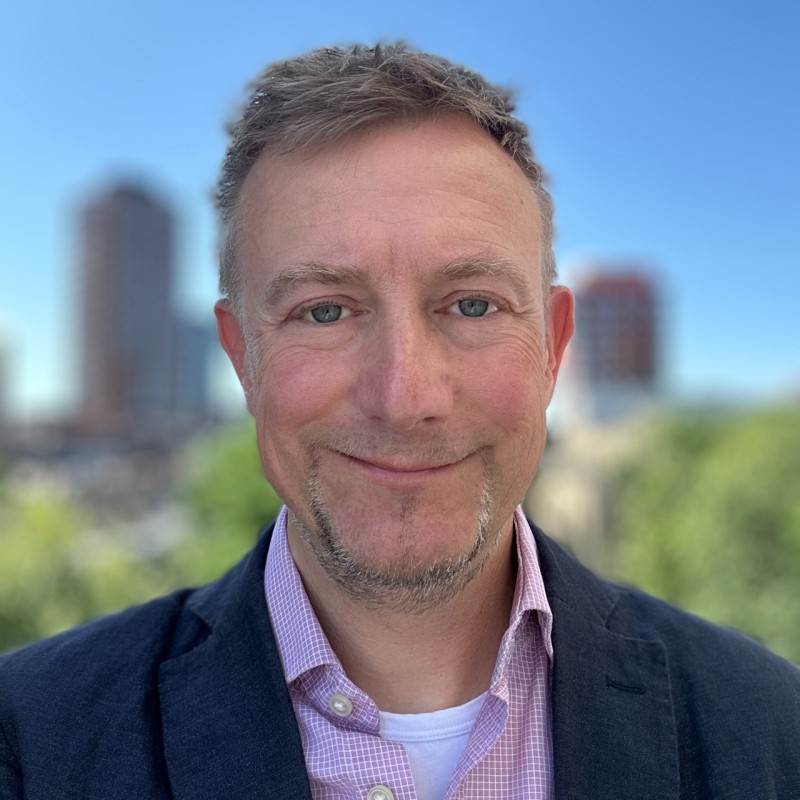
Moderator
Gijsbert de Jong
Director, Marine & Offshore Benelux
Bureau Veritas
View profile →
gijs-de-jong
ship-finance
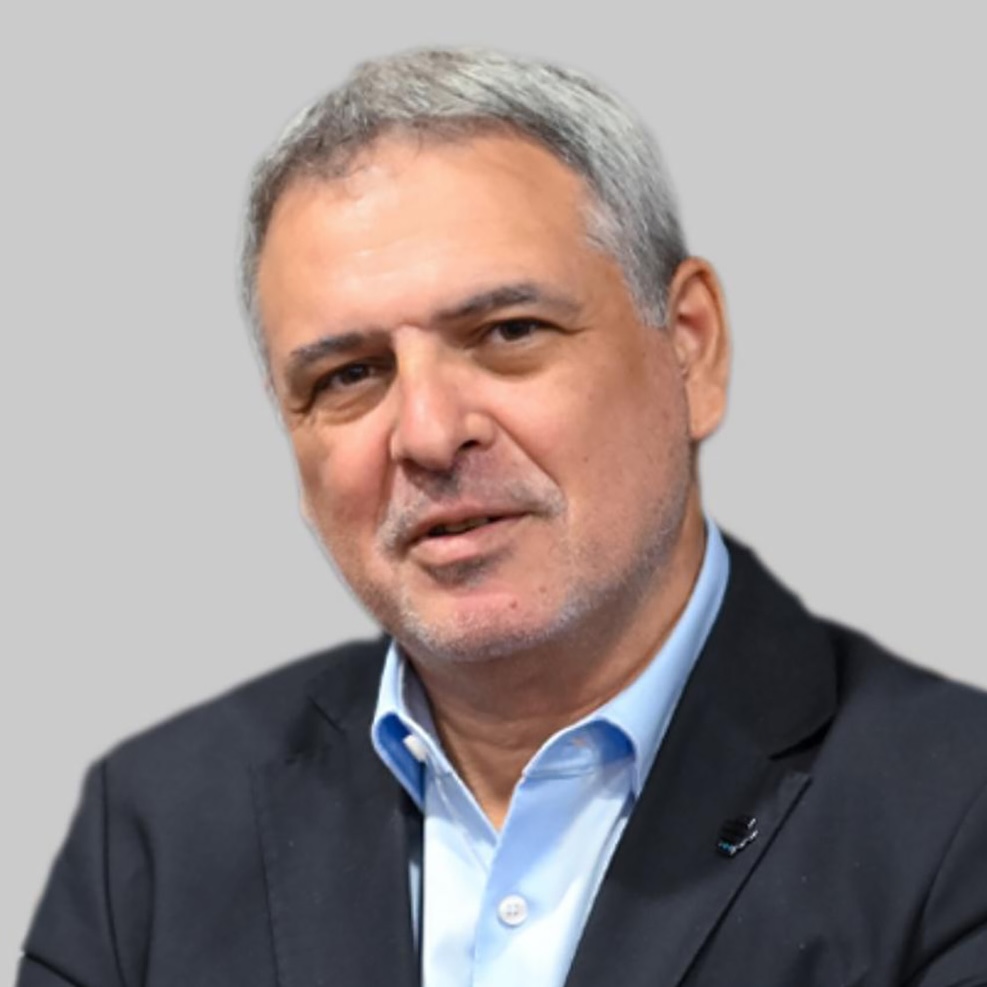
Panelist
Erhan Esinduy
Managing Director
ESKO Marine Trading Ltd. Co
View profile →
erhan-esinduy
ship-finance
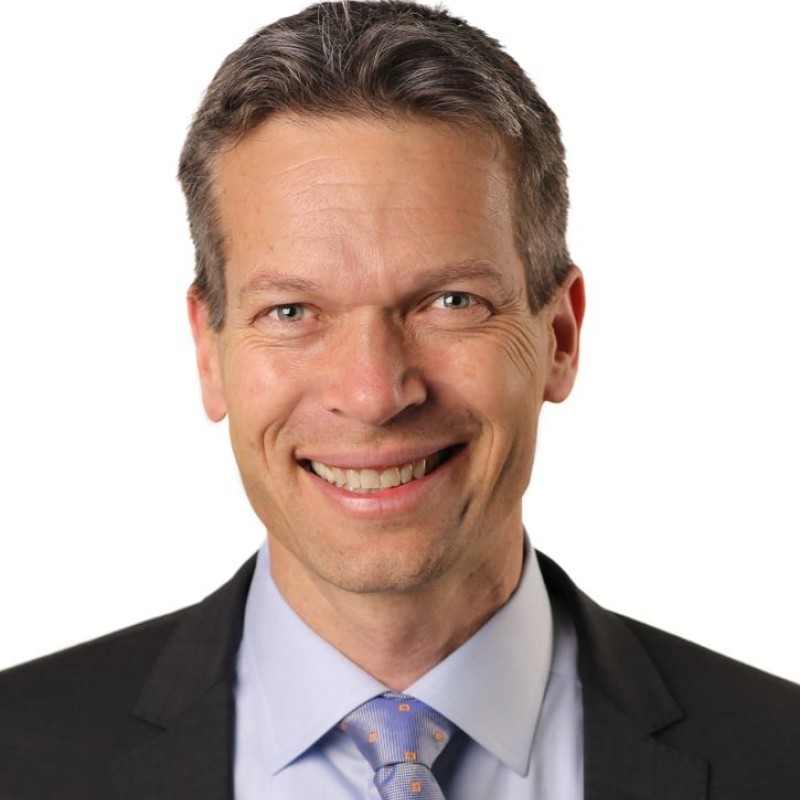
Keynote
Pieter Baan
Director, Transport, Logistics and Shipping
ING Bank
View profile →
pieter-baan
ship-finance
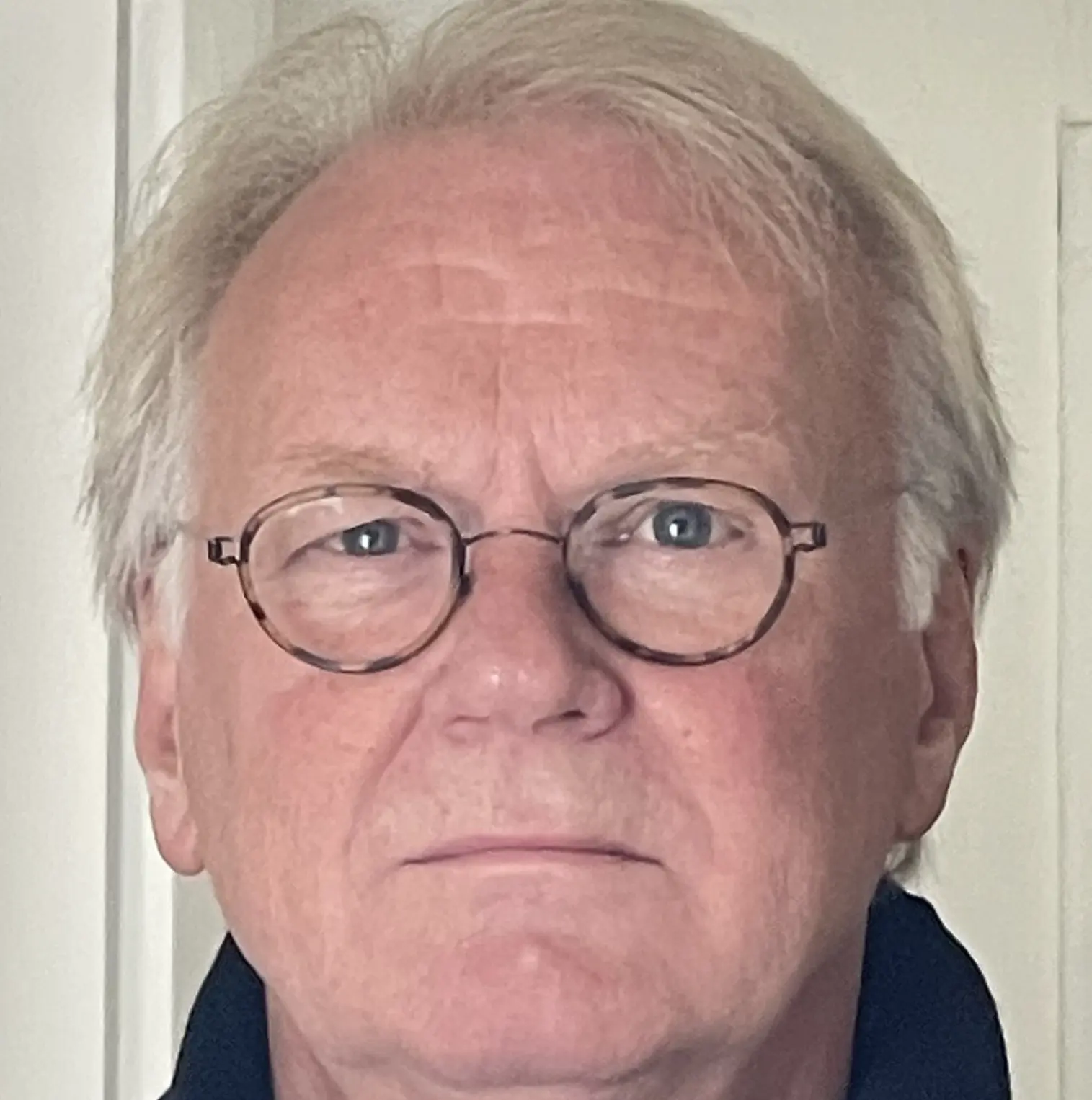
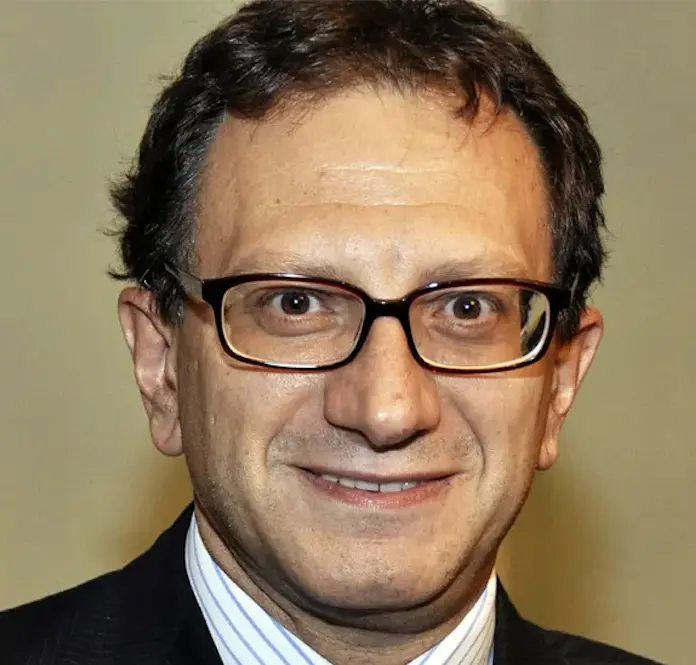
Panelist
Fabrizio Vettosi
Managing Director
VSL Club SpA Investment & Advisory
Chairman
Ship Finance Working Group of European Shipowners (ECSA)
View profile →
fabrizio-vettosi
ship-finance
Organizer
Georgios (Ilios) Kostoulas
Executive Director
Mare Forum
View profile →
georgios-kostoulas
ship-finance
Panelist
Gilbèrt de Bock
Managing Director
De Bock Maritime B.V.
View profile →
gilbert-de-bock
ship-finance
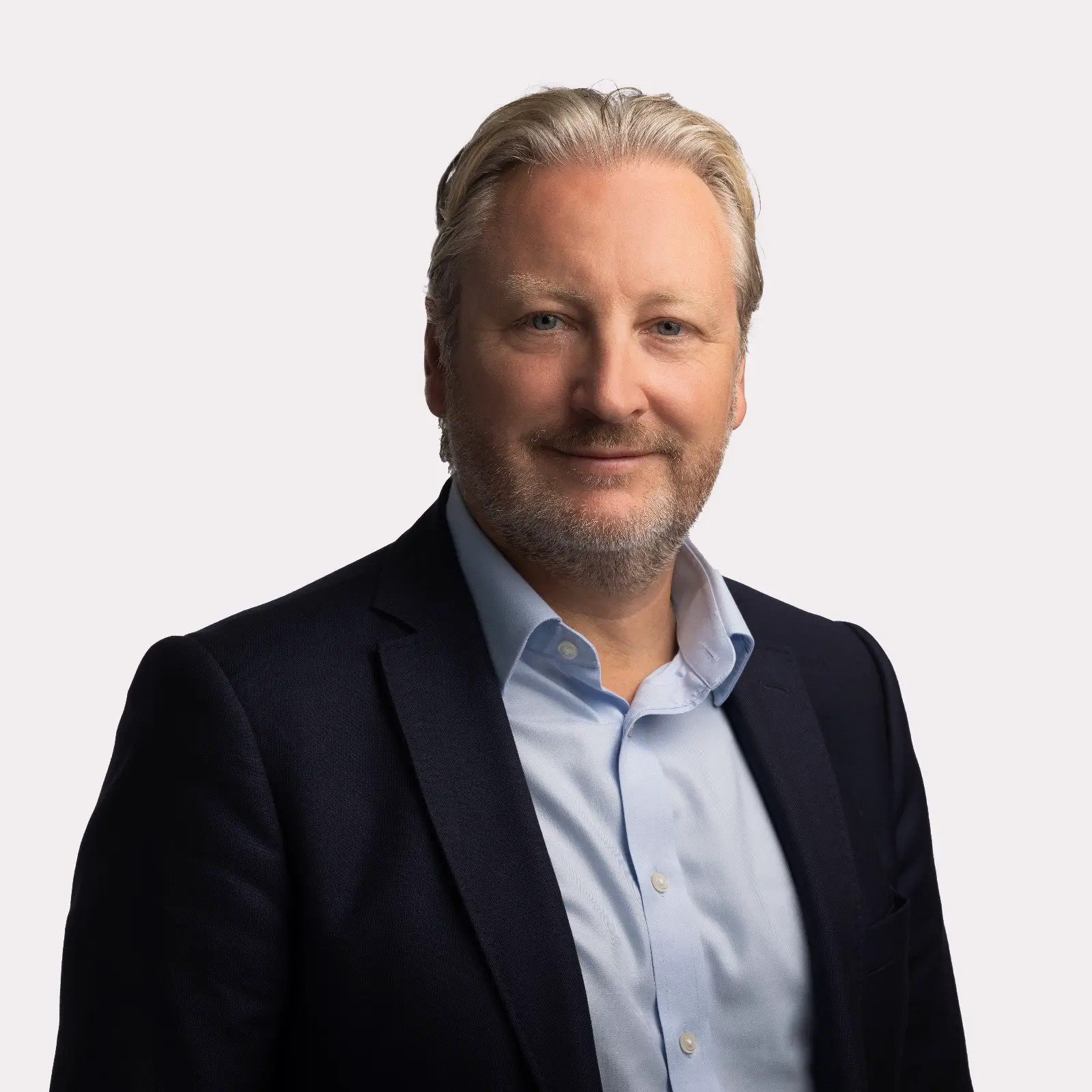
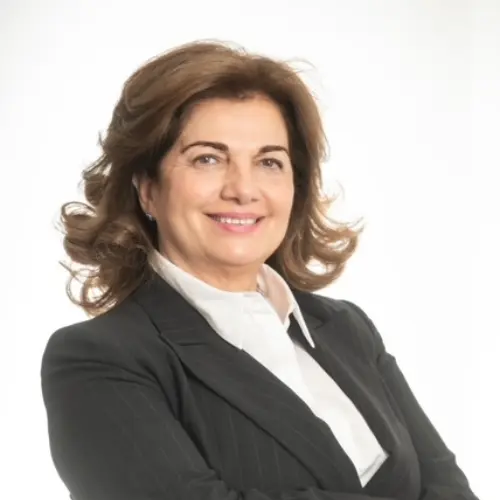
Panelist
Marina Tzoutzouraki
CFO and co-founder
eShipfinance.com
View profile →
marina-tzoutzouraki
ship-finance
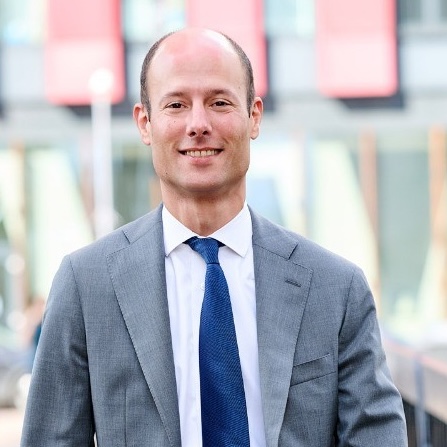
Panelist
Lodewijk Wisse
Senior Advisor Maritime Business Climate
Royal Association of Netherlands Shipowners
View profile →
lodewijk-wisse
ship-finance

Moderator
Jan Jaap Nieuwenhuis
Managing Director
Conoship International B.V.
View profile →
jan-jaap-nieuwenhuis
ship-finance
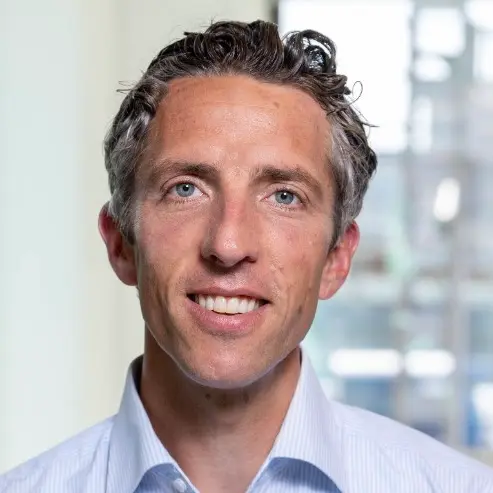
Panelist
Rico Luman
Senior Economist - research lead - global sector research
ING Bank
View profile →
rico-luman
ship-finance
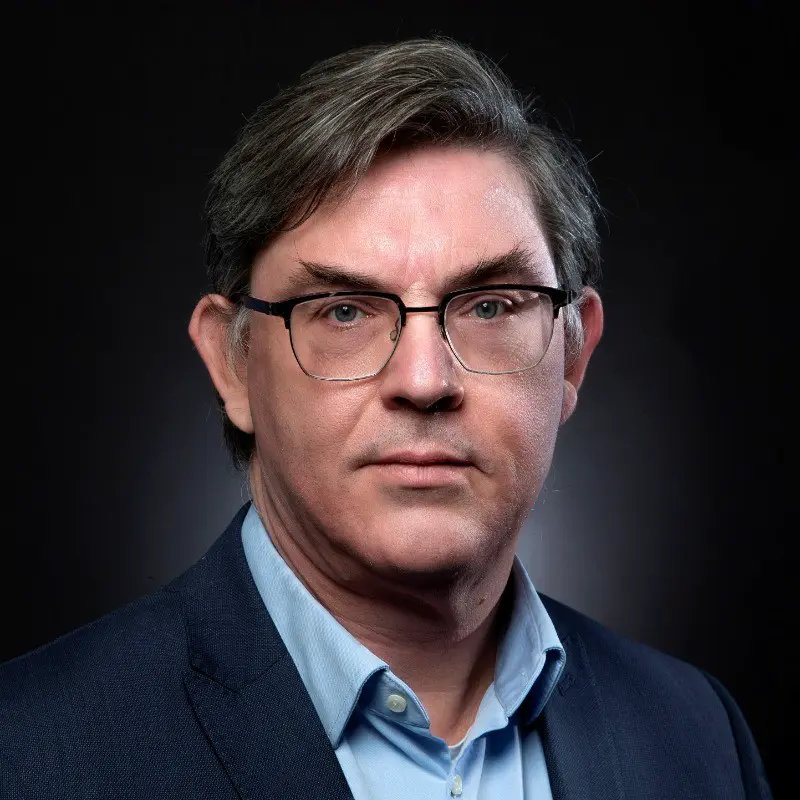
Panelist
Albert Veenstra
Professor, Trade and Logistics, Shipping, Rotterdam School of Management
Erasmus University
View profile →
albert-veenstra
ship-finance
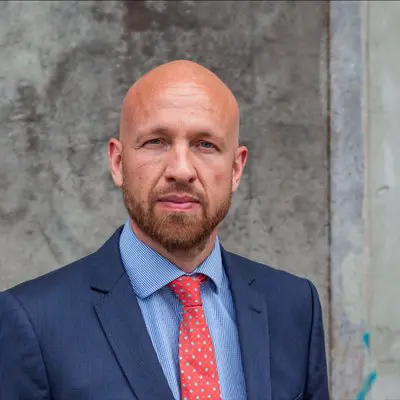
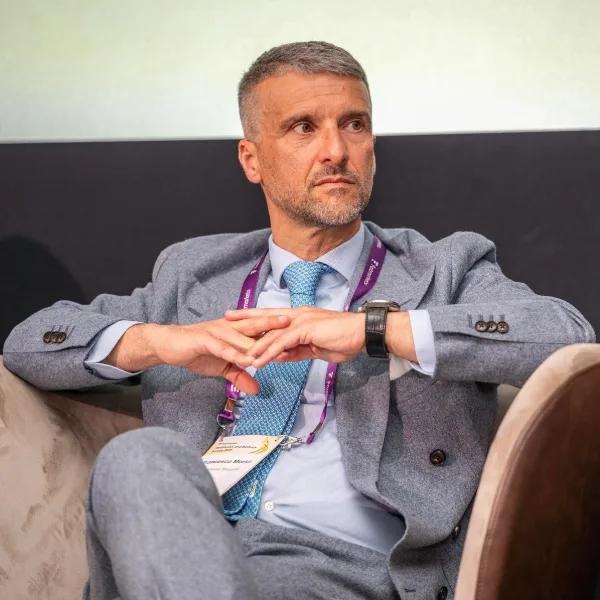
Panelist
Francesco Morici
Chartering Manager
Christiania Shipping
View profile →
francesco-morici
ship-finance
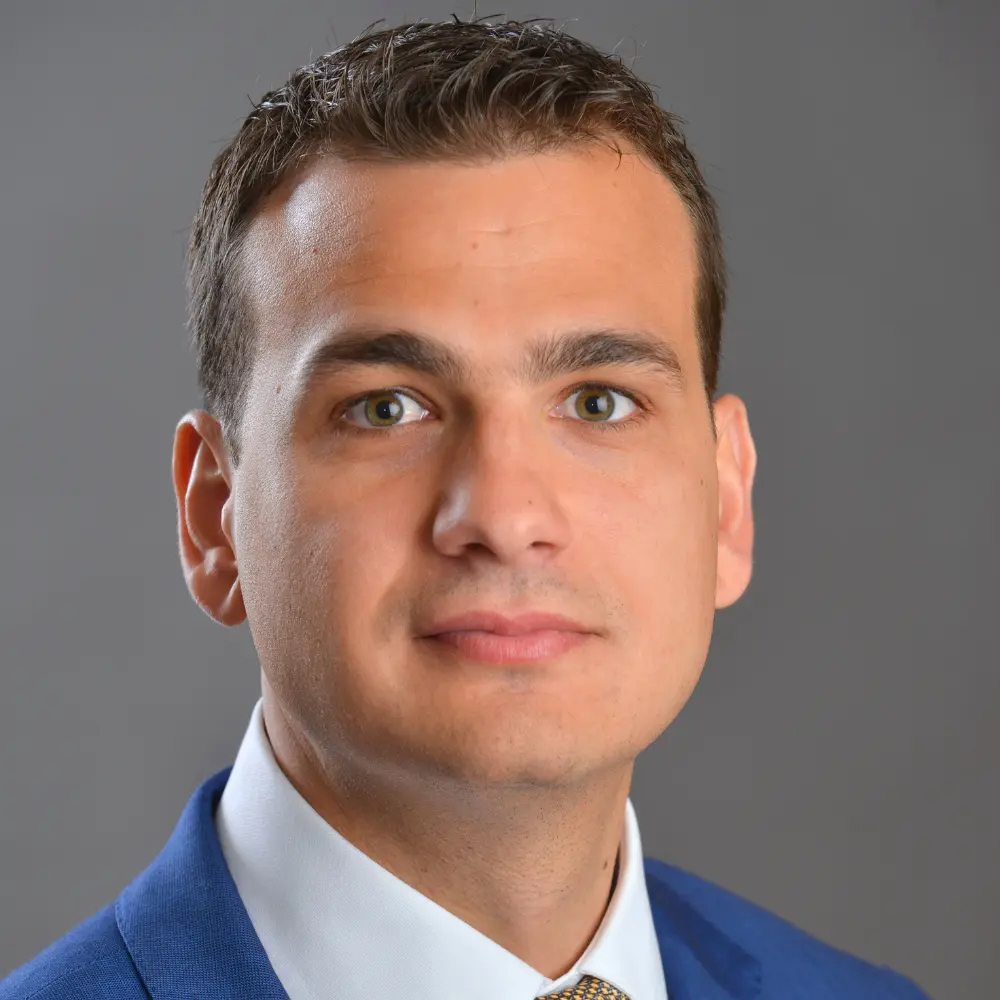
Panelist
Iraklis Tsirigotis
Director of Origination
Neptune Maritime Leasing
View profile →
iraklis-tsirigotis
ship-finance
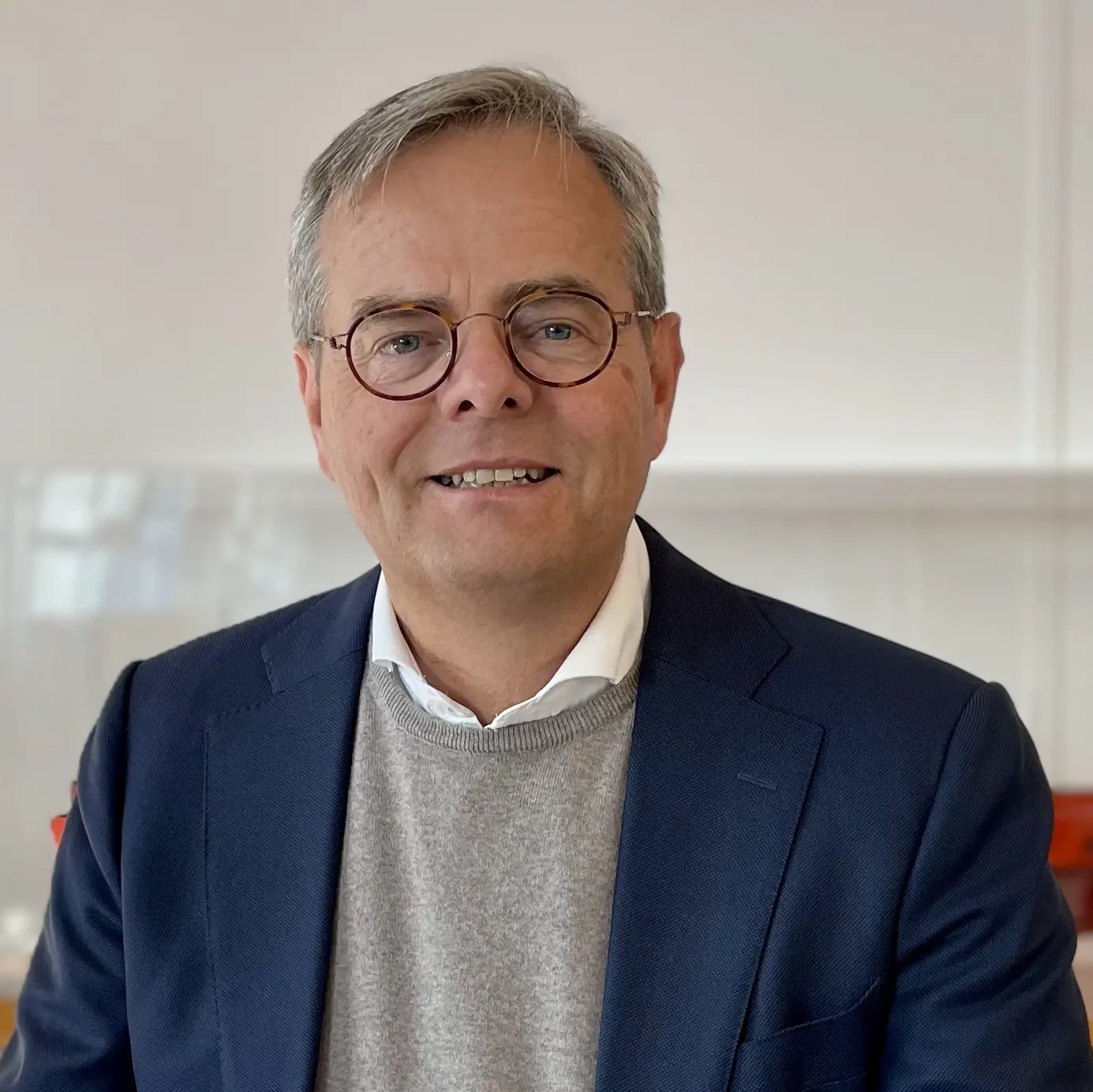
Panelist
Maarten Sickler
Director Sales
Conoship International
View profile →
maarten-sickler
ship-finance
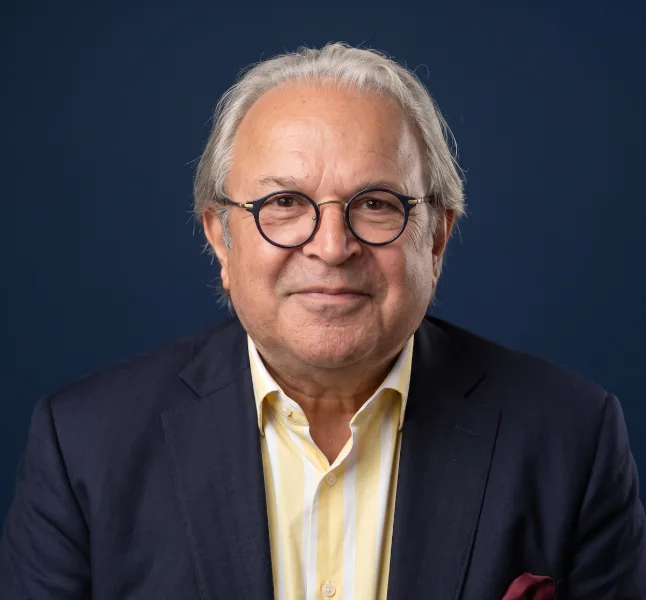
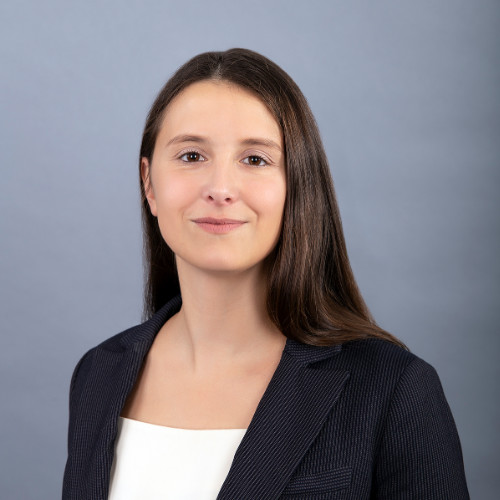
Panelist
Luisa Puccio
Senior Director, Shipping Policy and Communications
European Shipowners, ECSA
View profile →
luisa-puccio
ship-finance
Panelist
Pieter van der Burg
Managing Director
NESEC Ship Finance
View profile →
pieter-van-der-burg
ship-finance
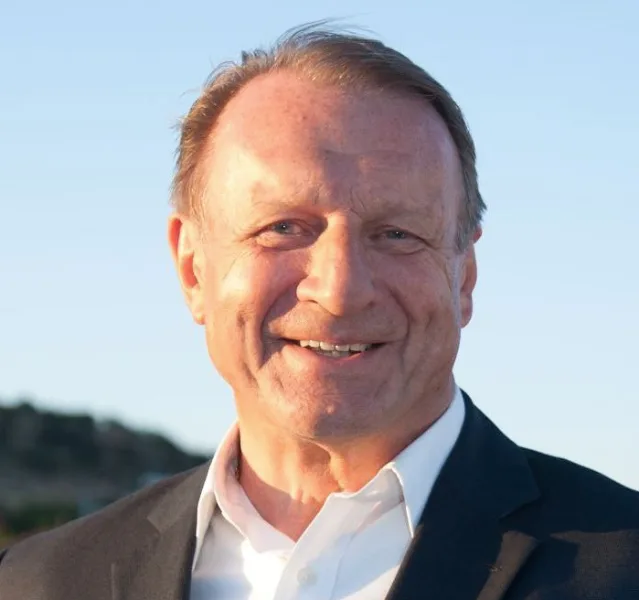
Panelist
Dagfinn Lunde
Chairman and Co-Founder
eShipfinance.com
Co-Founder
DagMar Navigation Ltd
View profile →
dagfinn-lunde
ship-finance
Moderator
Phrixos Papachristidis
Chief Executive Officer
Hellespont Group
View profile →
phrixos-papachristidis
ship-finance
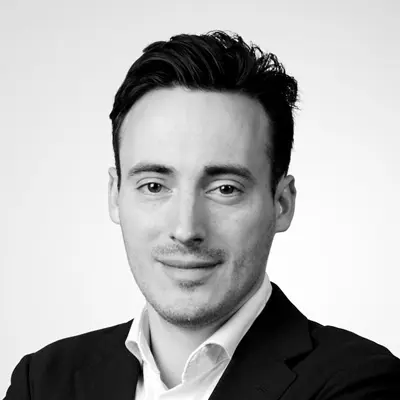
Panelist
Caspar van Overklift
Business Development & Manager ESG
ForestWave - Member of Spliethoff Group
View profile →
caspar-van-overklift
ship-finance
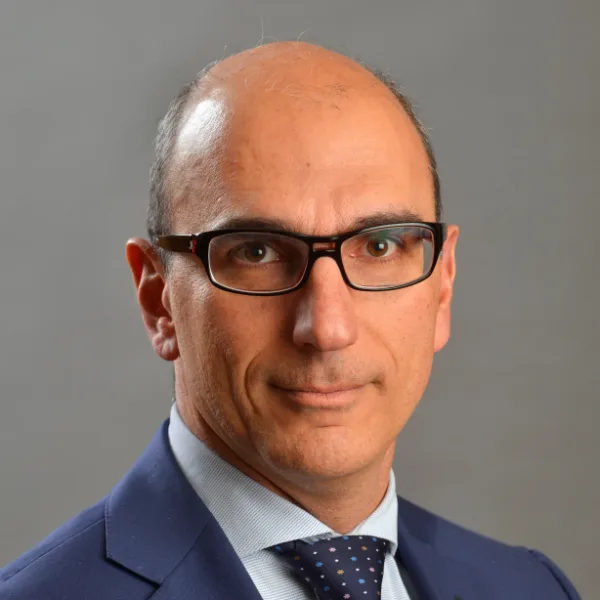
Panelist
Harris Antoniou
Founder and Managing Director
Neptune Maritime Leasing Ltd
View profile →
harris-antoniou
ship-finance
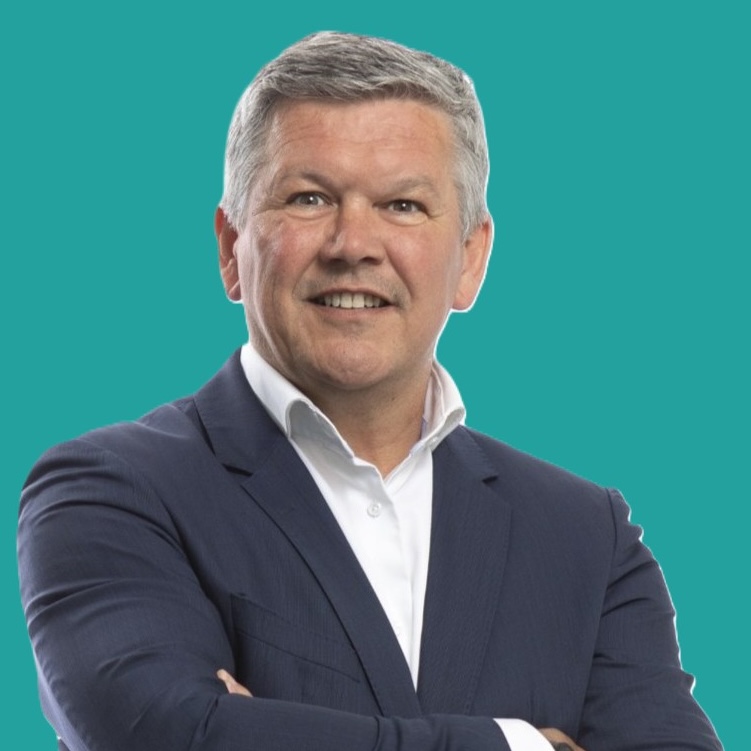
Keynote
Michael de Visser
Managing Director & Head of Credit Investments
Seahawk Investments
View profile →
michael-de-visser
ship-finance
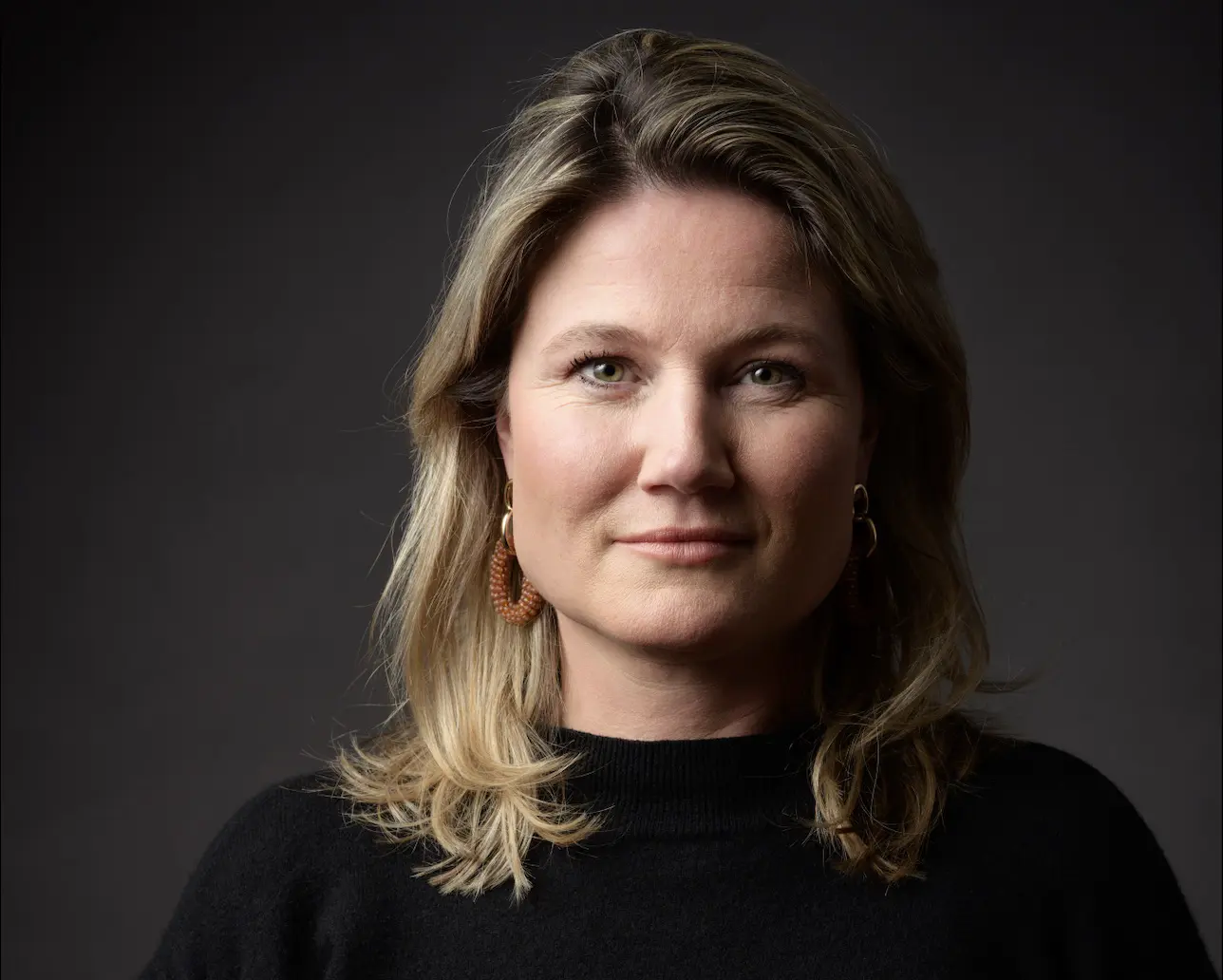
Keynote
Annet Koster
Managing Director
Royal Association of Netherlands' Shipowners
View profile →
annet-koster
ship-finance
12 November 2026
Haven Hotel Rotterdam, Curio Collection by Hilton
Rotterdam, Netherlands
Early bird
Best available rate — applied automatically
€750 →
The rate shown is the best currently available. If an earlier rate still applies to your booking, the ticketing desk confirms it on your invoice.
Delegate
Full-day access, networking lunch and the financiers’ reception.
750
ship-finance
EUR
21VAT 21% (Netherlands)25th Mare Forum Ship Finance 2026ship-financeship-finance-delegateReserve your place →Add to calendarRequest the programme by email
Substitutions are free at any time — see the ticketing policy.
Thank you — you are on the list for this forum. We will e-mail you the moment booking opens.
Something went wrong. Please e-mail tickets@mareforum.com instead.