August 31, 2026 9:00 AM
Conference
560 EUR
Hafen Hotel Hamburg

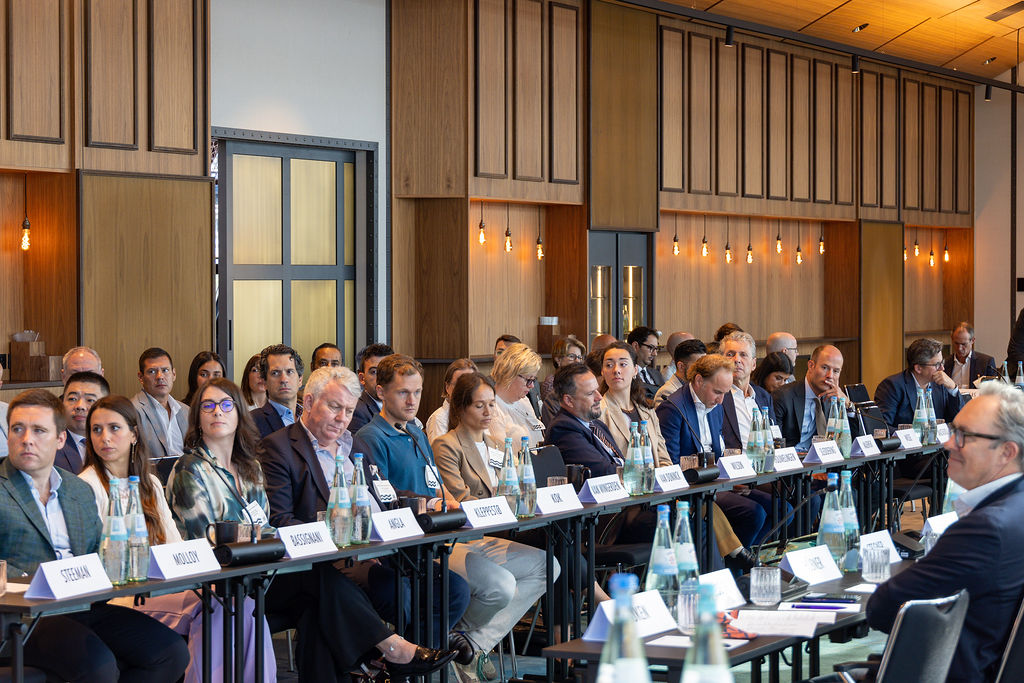
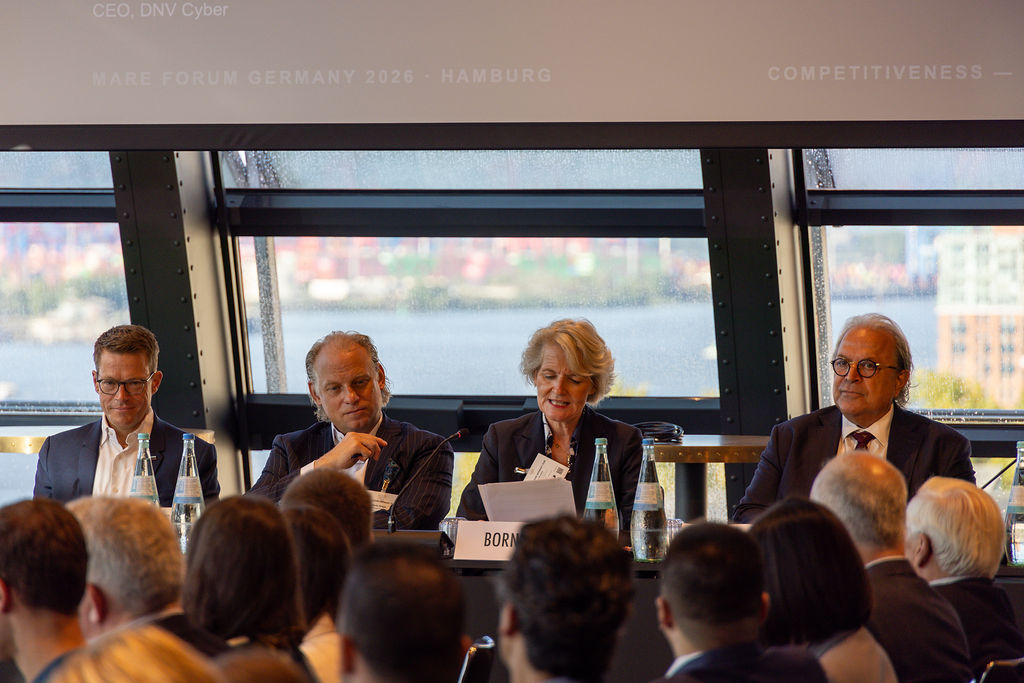
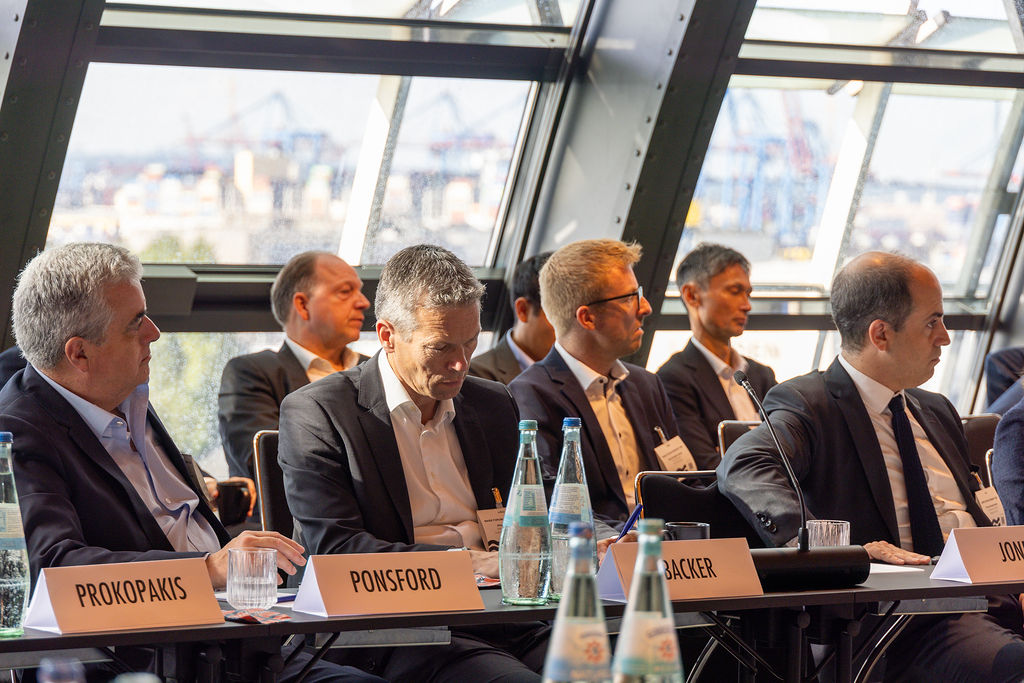
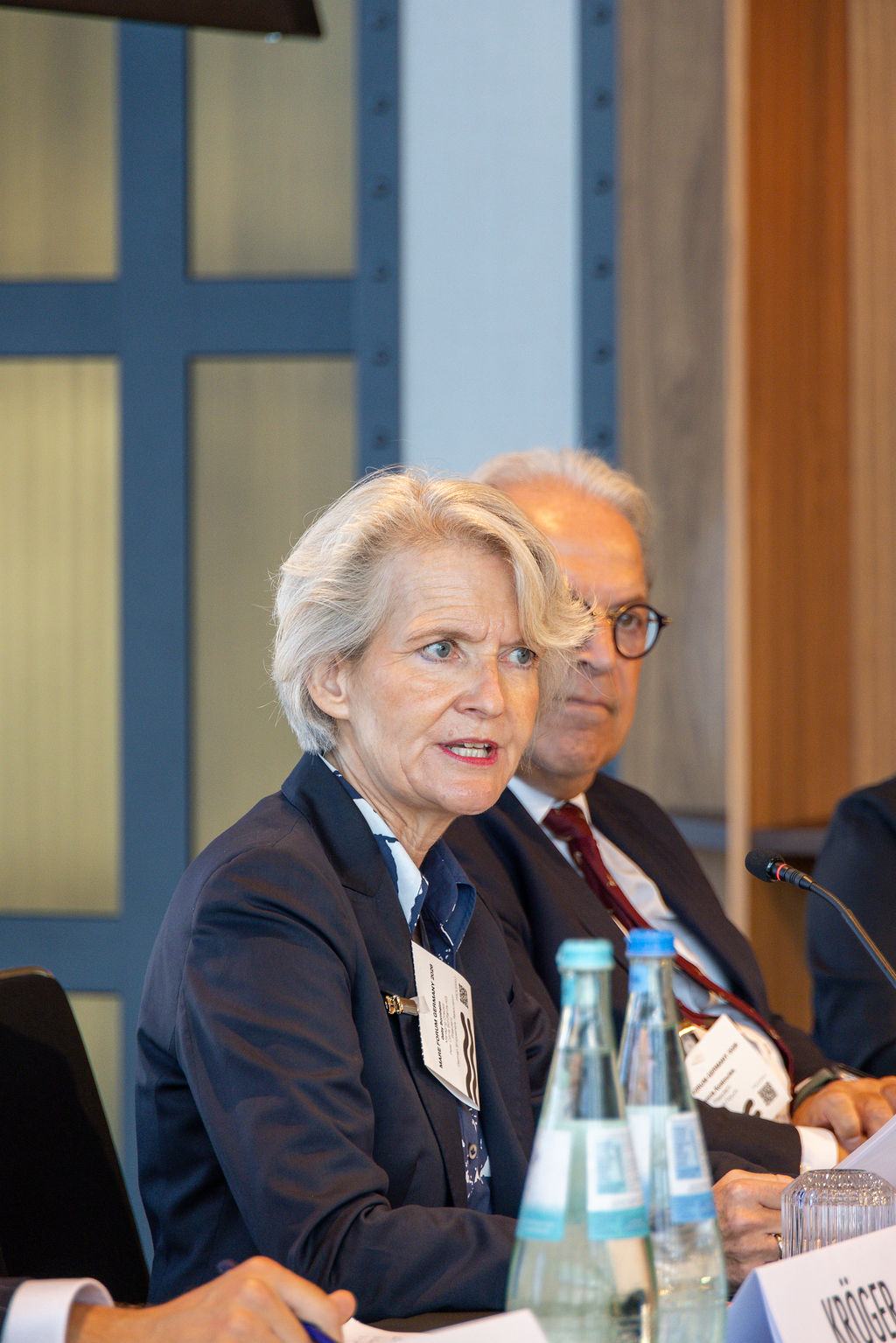
1st Mare Forum Germany 2026

Competitiveness - Maritime Europe vs The World

The Mare Forum Odyssey Continues – Next Stop: Hamburg. At a turning point for Europe and the world, where global trade is being reshaped, geopolitical balances are shifting, shipping, energy security and transition have become strategic imperatives, and finance and investment decisions will define the decades to come, Mare Forum Germany comes to Hamburg, on the occasion of the SMM Exhibition. (Scroll down 🔻)

RegisterVIEW RECORDING

August 31, 2026

1st Mare Forum Germany 2026

The Mare Forum Odyssey Continues – Next Stop: Hamburg. At a turning point for Europe and the world, where global trade is being reshaped, geopolitical balances are shifting, shipping, energy security and transition have become strategic imperatives, and finance and investment decisions will define the decades to come, Mare Forum Germany comes to Hamburg, on the occasion of the SMM Exhibition. (Scroll down 🔻)

Hafen Hotel Hamburg

At a turning point for Europe and the global economy, where international trade flows are being reshaped, geopolitical relations are shifting, and shipping, energy security, and the energy transition have become strategic priorities, financial and investment decisions will play a decisive role in shaping the decades ahead.

Against this backdrop, Mare Forum will organise Mare Forum Germany 2026 on Monday, 31 August 2026, in Hamburg (Hafen Hotel) in the framework of SMM, with the central theme:

“How will Maritime Europe increase its competitiveness with the rest of the world?”

In this critical moment, Mare Forum brings together Germany’s, Europe’s, and the world’s leading maritime thinkers and decision-makers for a high-level, in-person strategic dialogue focused on one fundamental question: How can Maritime Europe strengthen and increase its competitiveness and shape its future in an increasingly complex and contested global order?

In a dynamic roundtable setting, top maritime industry leaders, policymakers, financiers, innovators, shipowners, and tech pioneers will exchange bold views and strategic ideas on the future of maritime Europe.

Building on a long series of impactful debates worldwide, Mare Forum once again provides a neutral, high-trust platform where leaders from shipping, shipbuilding, ports, energy, finance, technology, policy, and innovation come together, not to deliver scripted speeches, but to challenge assumptions, exchange real-world insights, and co-design solutions for the future.

- A Holistic Debate on Europe’s Maritime Future

The conference will address the entire maritime value chain, exploring the interconnected forces shaping Europe’s competitiveness, including:
shipbuilding, shipping, ports, capital, energy security and energy transition, fuels, circularity, ship recycling, critical raw materials needs, investing in people, cybersecurity, digitalisation and AI, investments and finance, tech industries, regulations, port infrastructure development, maritime hubs collaboration, strategic initiatives, technological advancements, and the geopolitical factors.

During this one-day conference, the following strategic pillars will be addressed in a series of sessions:

- Geopolitics and shifting global trade patterns
- Regulatory developments and Europe’s global positioning
- Energy security and realistic transition pathways
- Europe’s maritime industrial edge: shipbuilding, robotics, ship recycling, circularity, navy and defence
- Critical raw materials and marine equipment manufacturing
- Cybersecurity, AI and digitalisation
- Access to capital, maritime finance and investment flows
- The Human Factor – investing in people and future talent
- Ports infrastructure imperatives
- European Maritime Hubs – services collaboration
- Conclusions and recommendations for the European and global industry

The conference will conclude with concrete conclusions and recommendations for the European and international maritime industry.

- Why You Can't-Miss This

Mare Forum is more than a conference; it’s a forum of ideas, it’s an annual think tank shaping the future of shipping.
It’s where the future of shipping is shaped. `
If you want answers, connections, and inspiration, this is where you’ll find them.
Mare Forum is where connections turn into partnerships,
Where ideas turn into strategies,
Don’t miss this opportunity to join the conversation defining the maritime industry’s future.

Be There. Be Heard. Be Part of It.


We look forward to your participation in an exciting and invigorating event in Hamburg.

PANELLISTS and SPEAKERS (tentative)


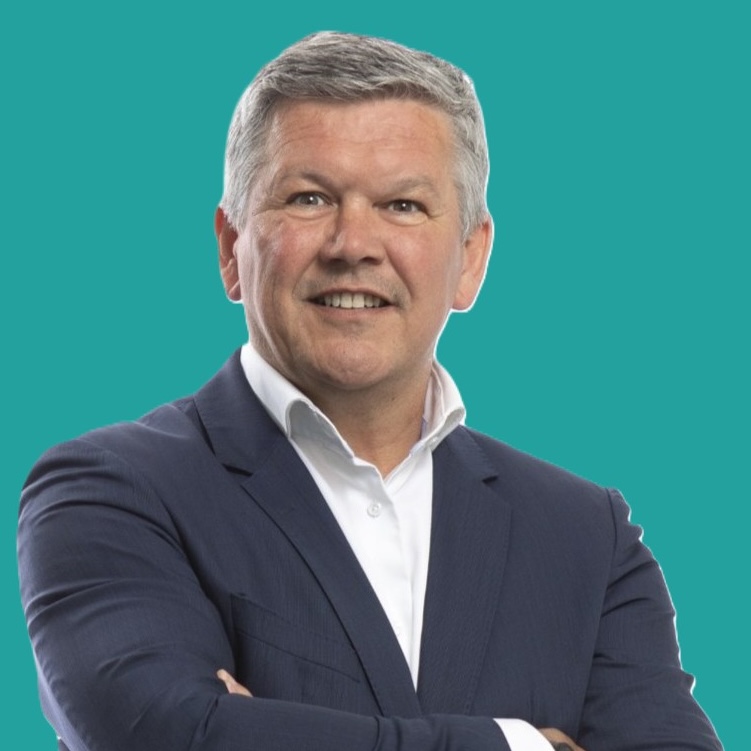
- Gaby Bornheim, President, German Shipowners‘ Association,  VDR
- Martin Kröger,
Chief Executive Officer, German Shipowners‘ Association and CONFERENCE CHAIRMAN
- Ioannis (Jannis) Kostoulas, President, Mare Forum
- Rasmus Stute, Vice President, Area Manager Germany, DNV Maritime
- Sotiris Raptis
, Secretary General, European Shipowners, ECSA
- Christophe Tygaat, Secretary General, Sea Europ
- Lamia Kerdjoudj, Secretary General, FEPORT Federation of European Private Port Companies and Terminals
- Scott Bergeron, Managing Director, Oldendorff Carriers GmbH & Co. KG
- Andreas Hadjipetrou, CEO, Columbia Group
- Antonios Faraklas, Managing Director, Chartworld Shipping Corporation
- Tom O. Kleppestø, Board Secretary, Oslo Shipowners' Association
- Lodewijk Wisse, Senior Advisor Maritime Business Climate, Royal Association of Netherlands Shipowners
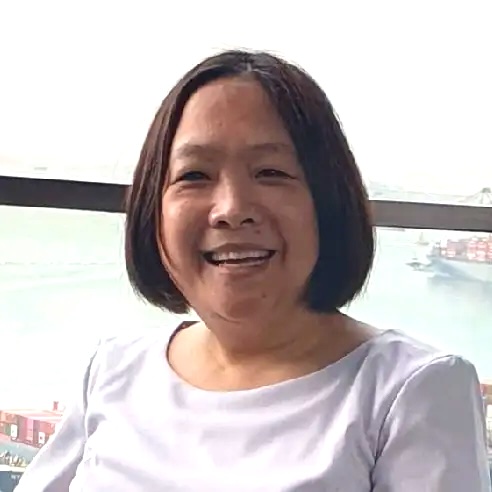
- Kitty Tang, Secretary, Rotterdam Maritime Board
- Dimitris Monioudis, Managing Director - Rethymnis & Kulukundis Ltd and Chairman, INTERCARGO Technical Committee
- Reinhard Lüken, Managing Director. German Shipbuilding and Ocean Industries Association
- Phrixos Papachristidis, Chief Executive Officer, Hellespont Grou
- Thecla Bodewes, CEO, Royal T Shipyards
- Oscar van Veen, Director of Innovations, Port of Rotterdam
- Andromache Demetriou, 2nd Officer, STENA BALTICA of STENA LINES
- Ann-Christin Stücke, Sustainability expert, ABN AMRO Bank
- Yves Kallina, Senior Syndication Manager, Hamburg Commercial Bank AG
- Andrew Wilson, Head of Energy Research, Barry Rogliano Salles (BRS)
- Dan Jespersen, Founder, 7C Shipping Ltd.
- Claire Georgeson, Founder and CEO, PsyFyi Limited
- Rosanne van Houwelingen, Innovation Project Manager, Maritime & Offshore NL
- Michiel Steeman, Managing Partner, Zuyderzee Capital
- Georgios Kostoulas, Executive Director, Mare Foru
- Michael de Visser, Managing Director, SEAHORSE Consulting & Invest
- Jan-Henrik Hübner, Global Head of Shipping Advisory Maritime, DNV
- Mehtap Karahalli Ozdemir, Secretary-General, Turkish Shipbuilders’ Association, GISBIR
- Albert Veenstra, Professor, Trade and Logistics, Shipping, Rotterdam School of Management
- Gust Biesbroeck, Partner, Prow Capital
- Frederik Lytzen,  Chief Commercial Officer, Baltic Shipping Company A/S
- Annika Nevaste, CEO, DNV Cyber
- Mare Straetmans, Founder, Platform Zero
- Frederic Le Moullec, Head of International Sales, Value Maritime
- Volkmar Galke, Director Sales, WinGD
- Panagiotis Anastasiou, Cybersecurity Strategy Leader, Bureau Veritas
-Jerzy Majewski, Director, NorthCape AS
- Stijn Van Doninck, CEO, EDR Antwerp Shipyard
- Thomas Joyce, Director Global Business Development, Amphitrite

- More panellists to be announced. Stay tuned

P R O G R A M M E

Every session is linked to one key goal:
boosting Europe’s global maritime competitiveness, practically, strategically, and sustainably.

08:00 – 09:00

Registration and Networking (Hafen Hotel Hamburg)

Meet fellow maritime leaders and change makers.

 09:00– 09:50

session 1

Welcome and Keynote Speakers: Bold visions from industry pioneers and government visionaries
Geopolitics – The Global Game Shift - Risks and rewards

Setting the scene: Trade tensions, regulatory waves, critical raw materials imperatives and the European response (views)

- Europe's Maritime Moment: Are We Falling Behind, or Just Getting Started?
- Is Europe's maritime sector in managed decline, or is the narrative of decline itself the biggest threat to ambition?
- What does "competitive" actually mean for Maritime Europe in 2026: market share, sovereignty, or strategic relevance?
- Has Europe been too focused on regulating shipping rather than winning it?
- Which single policy decision in the last decade has done the most damage to European maritime competitiveness, and can it be reversed?
- Is there a coherent European maritime strategy, or are we watching 27 national agendas dressed up as one?
- Who should lead the European maritime competitiveness agenda: industry, governments, or the EU institutions?
- If Maritime Europe were a company, would you invest in it today?

09:50 – 10:30

session 2

Regulations Ahead - New policy initiatives and trends supporting EC maritime Competitiveness

What comprehensive policy initiatives is the EU putting forward to support and enhance the international competitiveness of European maritime shipping?

Topics to be discussed

- Towards a World Without Global Rules?
- How are shifting geopolitical blocs reshaping trade, shipping, and ship finance? As trade routes fragment along geopolitical lines, is Europe positioned on the right side of the new map, or stranded in the middle?
- Is the EU's regulatory ambition in shipping a genuine global leadership play, or are we writing rules that only Europe will follow?
- Can European shipowners remain globally competitive while carrying a regulatory burden their Asian, Gulf, and US competitors simply do not face?
- With the US retreating from multilateralism and China building parallel institutions, what is the realistic role for Europe in shaping the future of IMO?
- Has the sanctions policy made Europe a more or less attractive flag, finance, and services hub, and what comes next?
- Are European ports and shipping corridors becoming more or less central to global supply chains, and what would it take to reverse the trend?
- Is the era of rules-based global maritime trade over, and if so, what replaces it for European operators?
- The Dilemma: Protectionism ve Globalism

10:30 – 11:20

session 3

The Green Shift: Energy Transition and Security - Are we progressing, or are we taking one step ahead and two steps backwards?

Alternative Fuels Production and New Propulsion Systems, Geopolitics, Investments, and Port Infrastructure.

Topics to be discussed:

- Is the MaritimeEnergy Transition Under Siege?
- What happened at IMO - What next? The IMO net-zero framework & the regulatory reckoning
- With green fuels still scarce, rising costs, geopolitical turmoil, and regulatory uncertainty, the race to decarbonisation is facing headwinds. Where are we now?
- Are the current decarbonisation goals realistic? Are zero-emission targets a mirage? Is the maritime industry’s journey to zero emissions stalling before it truly begins?
- What strategies can deliver impact now?
- Who will lead, and who will lag, in the transition?
- Is FuelEU Maritime accelerating decarbonisation or accelerating the flight of tonnage from European trades?
- Can Europe realistically produce green fuels at the scale and price required by shipping, or is the transition plan built on imports we don't control?
- LNG, methanol, ammonia, and hydrogen, which fuel is Europe actually betting on, and is anyone being honest about the infrastructure gap? What about nuclear?
- Is energy security now more important than energy transition, or are they the same problem with different timelines?
- Are European shipowners leading the energy transition or being regulated into it, and does the difference matter?
- Who should pay for the energy transition in shipping: owners, charterers, cargo interests, or taxpayers?
- Will the first European operator to achieve genuine zero-emission shipping at scale gain a competitive advantage, or simply prove it cannot be done profitably?

11:20 – 11:50

Networking break

11:50 – 12:40

Session 4

Shipbuilding, marine equipment, and Circular Maritime Innovation: Europe’s Industrial Edge; Can It Be Revived and Increased?

Manufacturing industries, robotics, circularity, ship recycling, Short Sea Ships, Investments and finance

Topics to be discussed:

- Can Europe Rebuild Its Maritime Industrial Spine, or Has It Already Ceded the Future to Asia?
- Is European shipbuilding a strategic asset worth defending, or a sentimental attachment to an industry that left a generation ago?
- Can European yards compete on naval and specialised vessels while ceding commercial shipbuilding entirely, and is that a sustainable division of labour?
- Does the war in Ukraine represent a turning point for European naval shipbuilding investment, or will the political will fade before the orders arrive
- Is robotics and automation Europe's genuine path back into competitive shipbuilding — or a narrative that flatters our technology sector while the gap with Korean and Chinese yards widens?
-Ship recycling and the circular economy: Is Europe serious about bringing this industry home, or will Alang and Aliağa continue to process the fleet Europe finances?
- Are European defence budgets increasing fast enough to sustain a credible naval industrial base, and what happens to the commercial sector if they do not?
- Is "Made in Europe" a premium worth paying in maritime,  and if so, who is actually willing to pay it?

12:40- 13:40

Networking Lunch

13:40 – 14:30

session 5

Money Talks: Capital Providers, Investments, funds, subsidies, Regulation

Where will the smart money come from, and what does the maritime European industry need? The role of capital providers, public money, industry and governments.


Topics to be discussed:

- Is European Ship Finance Still the GoldStandard, or Are New Capital Centres Writing the Cheques That Shape the Industry
- Is European ship finance, Hamburg, Oslo, Rotterdam, Athens, London, still the centre of gravity for global maritime capital, or is that a story we tell ourselves?
- Has the ESG agenda made European banks more responsible lenders or simply more expensive ones, and who fills the gap when they step back?
- Are the Poseidon Principles actually changing shipowner behaviour, or are they a compliance exercise that leaves the underlying financing calculus unchanged?
- As Chinese state-backed finance continues to support its own shipbuilding and shipping sectors, can European private capital compete on level terms, and should it try
- Is the capital available for the maritime energy transition sufficient, or is there a funding gap that no one in the room wants to be the first to quantify?
- Private equity, alternative lenders, and capital markets: are new sources of maritime finance a sign of a healthy, diversifying ecosystem, or evidence that traditional banks are withdrawing?
- If you had one billion euros to deploy in European maritime today, where would it go, and what does that answer reveal about where the real opportunities and gaps are?


 14:30 – 15:20

session 6

People Power: Investing in People - The Future Maritime Workforce - Creating the Future Talent in Shipping, Trade and Logistics

Attracting, training, and retaining Europe’s next maritime leaders and crew. Incentives are needed for maritime entrepreneurs.

Topics to be discussed:

- Is the maritime workforce crisis a recruitment problem, a retention problem, or a fundamental failure to make seafaring a credible career in the 21st century?
- As automation reduces crew sizes, are we solving the talent shortage, or destroying the pipeline of experience that keeps ships safe?
- Does Europe have a realistic plan to attract the next generation into maritime careers, or are we competing for talent with industries that are simply more appealing?
- Is diversity in maritime, gender, nationality, background,  a values question or a competitiveness question, and does the distinction matter?
- Are European maritime academies producing the officers the industry will need in the next few years, or training people for ships that will no longer exist?
- To what extent is European maritime university education aligned with the shipping industry’s requirements in the era of decarbonisation?}
- Mental health, welfare, and working conditions at sea: Is the industry's progress genuine, or is it reputational management that stops short of structural change?
- If the most talented young Europeans can choose any industry, what is the honest case for choosing maritime, and is anyone making it compelling?

15:20 – 15:50

Networking Break

15:50 – 16:40

session 7

Cyber Security, AI & Digitalisation

Topics to be discussed:
 - As AI and Cyber Threats Reshape Maritime Operations, Is Europe Leading the Digital Wave or Buying It From Someone Else?
- Is the maritime industry's approach to cybersecurity proportionate to the actual threat — or are we one serious incident away from discovering how exposed we really are?
- Who owns the data generated by the global fleet — and why does Europe's answer to that question matter more than any individual regulation?
- Can European maritime technology companies scale fast enough to compete with the platforms being built in Asia and the United States — or will the industry run on infrastructure it does not control?
- Is AI in shipping a genuine operational revolution or an expensive experiment that has yet to prove its return on investment?
- Autonomous and remotely operated vessels: Is Europe setting the regulatory framework for a technology it is already falling behind in building?
- Are European ports investing in digitalisation at the pace required to remain competitive, or is the infrastructure gap with the leading Asian hubs already irreversible?
- If a major cyberattack on European maritime infrastructure happened tomorrow, would the response be coordinated enough to contain it, or would it expose how fragmented our defences actually are?

16:40 – 17:30

session 8

The European Ports – Cities -Maritime Hubs – Infrastructure, Services, Collaboration

Topics to be discussed:

- Are Rotterdam, Hamburg, Piraeus, Antwerp, Pillars of Global Trade or Ports Being Quietly Outmanoeuvred by Singapore, Dubai, and Shanghai?
- Are European ports investing in the infrastructure, technology, and capacity they need to remain first-choice hubs, or are they living off reputations built in a different era?
- Is the concentration of European maritime services, finance, legal, insurance, crewing, broking, in a handful of cities a strength or a fragility?
- Can European ports compete on speed, cost, and connectivity with the best Asian and Gulf hubs? If not, what is the honest conversation about what that means?
- As nearshoring and supply chain resiliencereshape global logistics, are European ports positioned to capture the opportunity, or too slow to adapt to catch it?
- Is there a coherent European port strategy, or are Hamburg, Rotterdam, Antwerp, and Piraeus competing against each other as much as against Singapore and Dubai?
- Should European ports be treated as strategic national infrastructure, with the investment and protection that implies, or left to compete as commercial entities in a global market that is not always fair?
- In twenty years, which European maritime hub will be stronger than it is today, and what decisions made in the next three years will determine the answer?

17:30 – 18:00

Conclusions, Recommendations & Actions

 
18:00 - 19:00

Networking Drinks

Speakers & Panelists

Scott Bergeron
Scott Bergeron
Managing Director
Oldendorff Carriers GmbH & Co. KG
Tom O. Kleppestø
Tom O. Kleppestø
Board Secretary
Oslo Shipowners' Association
Martin Kröger
Martin Kröger
Chief Executive Officer
German Shipowners‘ Association
Frédéric Le Moullec
Frédéric Le Moullec
Head of International Sales
Value Maritime
Thecla Bodewes
Thecla Bodewes
CEO
Royal T Shipyards
Andreas Hadjipetrou
Andreas Hadjipetrou
Chief Executive Officer
Columbia Group
More panellists to be announced
 Antonios Faraklas
Antonios Faraklas
Managing Director
Chartworld Shipping Corporation
 Volkmar Galke
Volkmar Galke
Global Director
WinGD
Ioannis (Jannis) Kostoulas
President
Mare Forum
Panagiotis Anastasiou
Cybersecurity Strategy Leader
Bureau Veritas
Jerzy Majewski
Jerzy Majewski
Director
NorthCape AS
Annika Nevaste
Annika Nevaste
CEO
DNV Cyber
Oscar van Veen
Oscar van Veen
Director of Innovations
Port of Rotterdam
Andrew Wilson
Andrew Wilson
Head of Energy Research
Barry Rogliano Salles (BRS)
Gaby Bornheim
Gaby Bornheim
President
German Shipowners‘ Association, VDR
Thomas Joyce
Thomas Joyce
Director Global Business Development
Amphitrite
Sotiris Raptis
Sotiris Raptis
Secretary General
European Shipowners, ECSA
Lamia Kerdjoudj
Lamia Kerdjoudj
Secretary General
FEPORT, Federation of European Private Port Companies and Terminals
Rosanne van Houwelingen
Innovation Project Manager
Maritime & Offshore NL
Mare Straetmans
Mare Straetmans
Founder
Platform Zero
Christophe Tytgat
Christophe Tytgat
Secreteary General
Sea Europe
Frederik Rye Lytzen
Frederik Rye Lytzen
Chief Commercial Officer
Baltic Shipping Company. A/S
Claire Georgeson
Claire Georgeson
Founder and CEO
PsyFyi Limited
Andromache Demetriou
2nd Officer
STENA BALTICA of STENA LINES.
Dan Jespersen
Dan Jespersen
Founder
7C Shipping Ltd.
Ann-Christin Stücke
Ann-Christin Stücke
Sustainability expert
ABN AMRO Bank
Michael de Visser
Michael de Visser
Managing Director
SEAHORSE Consulting & Invest
Dimitris Monioudis
Dimitris Monioudis
Chairman
INTERCARGO Technical Committee
Kitty Tang
Kitty Tang
Secretary
Rotterdam Maritime Board
Gust Biesbroeck
Gust Biesbroeck
Partner
Prow Capital
Albert Veenstra
Albert Veenstra
Professor, Trade and Logistics, Shipping, Rotterdam School of Management
Erasmus University
Lodewijk wisse
Lodewijk wisse
Senior Advisor Maritime Business Climate
Royal Association of Netherlands Shipowners
Michiel Steeman
Michiel Steeman
Managing Partner
Zuyderzee Capital
Stijn Van Doninck
Stijn Van Doninck
CEO
EDR Antwerp Shipyard
Jan-Henrik Hübner
Jan-Henrik Hübner
Global Head of Shipping Advisory Maritime
DNV
Phrixos Papachristidis
Chief Executive Officer
Hellespont Group
Reinhard Lüken
Reinhard Lüken
Managing Director
German Shipbuilding and Ocean Industries Association
Mehtap Karahalli Ozdemir
Secretary-General
Turkish Shipbuilders’ Association GISBIR
Yves Kallina
Yves Kallina
Senior Syndication Manager
Hamburg Commercial Bank AG
Rasmus Stute
Rasmus Stute
Vice President – Area Manager Germany
DNV Maritime

Register now!

Registration link is not yet available.